
Nuclear Energy Paving the Path to a New Space Age
Lunar Fiassioin Surface Power Project is a groundbreaking step towards permenant off- Earth energy solution, initiating nuclear era in space.

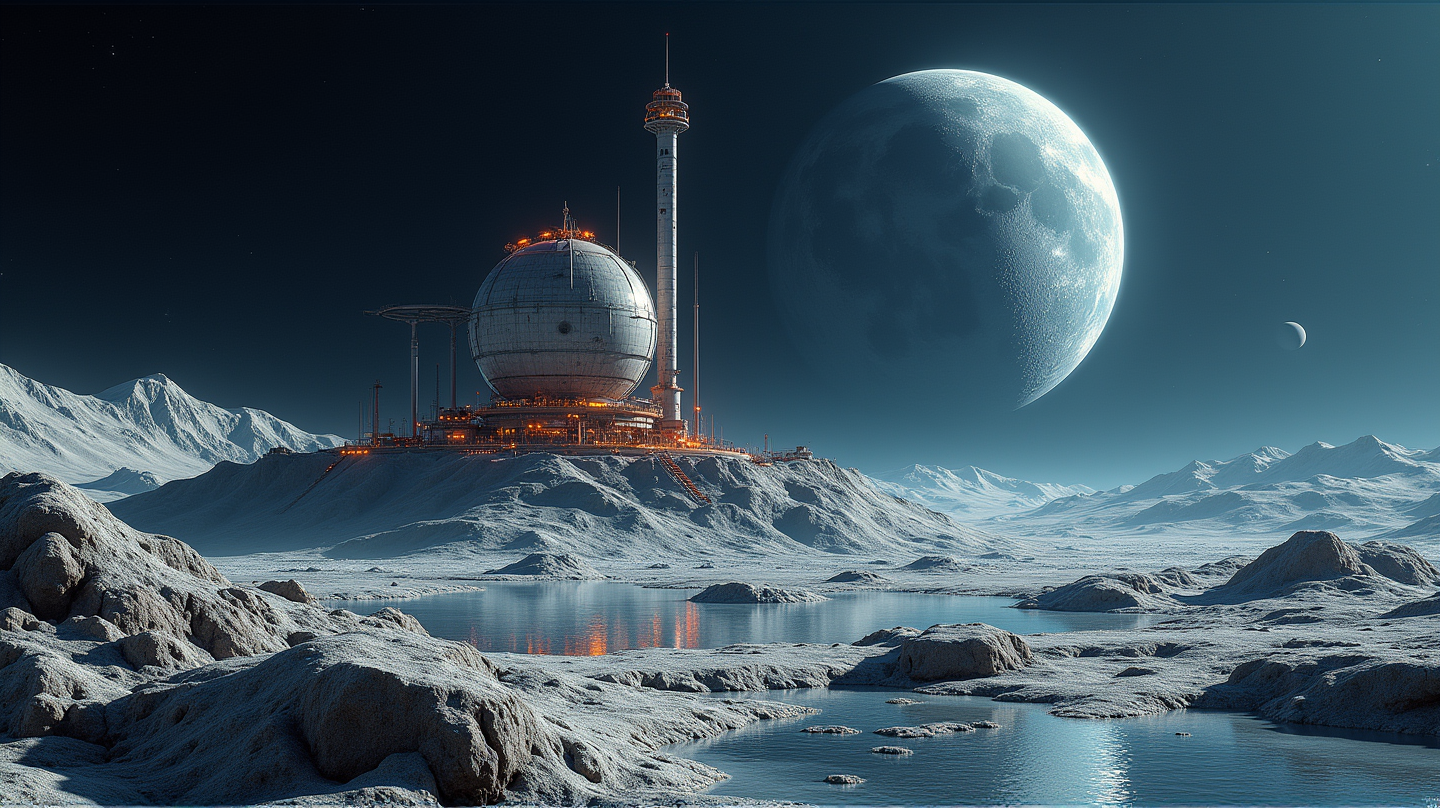
The Expanding Nuclear Horizon in Outer Space is becoming more tangible as the United States pushes forward with its Lunar Fission Surface Power Project. This audacious initiative is set to install a small fission-based nuclear reactor on the Moon by the early 2030s, a pivotal component of NASA’s Artemis Base Camp. As stated in Sanskriti IAS, this marks a pioneering effort to establish a permanent off-Earth nuclear power source, heralding an unprecedented era of nuclear-powered space activity.
Transformative Nuclear Technologies in Space
1. Revolutionary Advanced RTGs
While radioisotope thermoelectric generators (RTGs) have been the mainstay for powering deep-space missions like Voyager and New Horizons, their limited energy output necessitates the exploration of new solutions for habitable environments in space.
2. Compact and Potent Fission Reactors
Compact reactors, akin to shipping containers, promise a sustainable energy source essential for powering lunar or Martian outposts and critical life-support systems. They represent a significant step forward in enabling long-duration human bases.
3. The Promise of Nuclear Thermal Propulsion
With the DRACO NTP project on the horizon, the potential to slash Earth-to-Mars travel time holds the promise of more feasible long-haul journeys and exciting new opportunities for exploration and colonization.
Why Nuclear Over Solar?
Solar power faces significant challenges in celestial environments. The Moon’s 14-day-long nights and Mars’ formidable dust storms make nuclear power an indispensable ally for continuous energy supply, ensuring critical operations remain uninterrupted.
Legal Framework in Outer Space
Governed by the 1967 Outer Space Treaty, nuclear devices are permissible for peaceful purposes and are subject to stringent safety assessments as per the 1992 UN Principles. Yet, this evolving nuclear landscape beckons a re-examination of legal and regulatory standards to harmonize international efforts.
Key Risks and Future Directions
The deployment of nuclear power in space poses challenges such as potential contamination, sovereign disputes over “safety zones,” and geopolitical tensions. Crafting a responsible future involves:
- Strengthening Legal Norms: Updating principles for modern systems and creating binding safety standards.
- Multilateral Oversight: Proposing an International Space Nuclear Safety Group to ensure compliance.
- Global Cooperation: Engaging global space players and private sectors for collaborative rule-making.
The blueprint for our nuclear future hinges on balancing innovations with robust governance, promising a responsible and transformative era in space exploration.