
NASA Scrambles as Russia Damages Sole Astronaut Launch Pad
The recent accident at Russia's Baikonur Cosmodrome ignites concern over the continuation of crewed space missions.

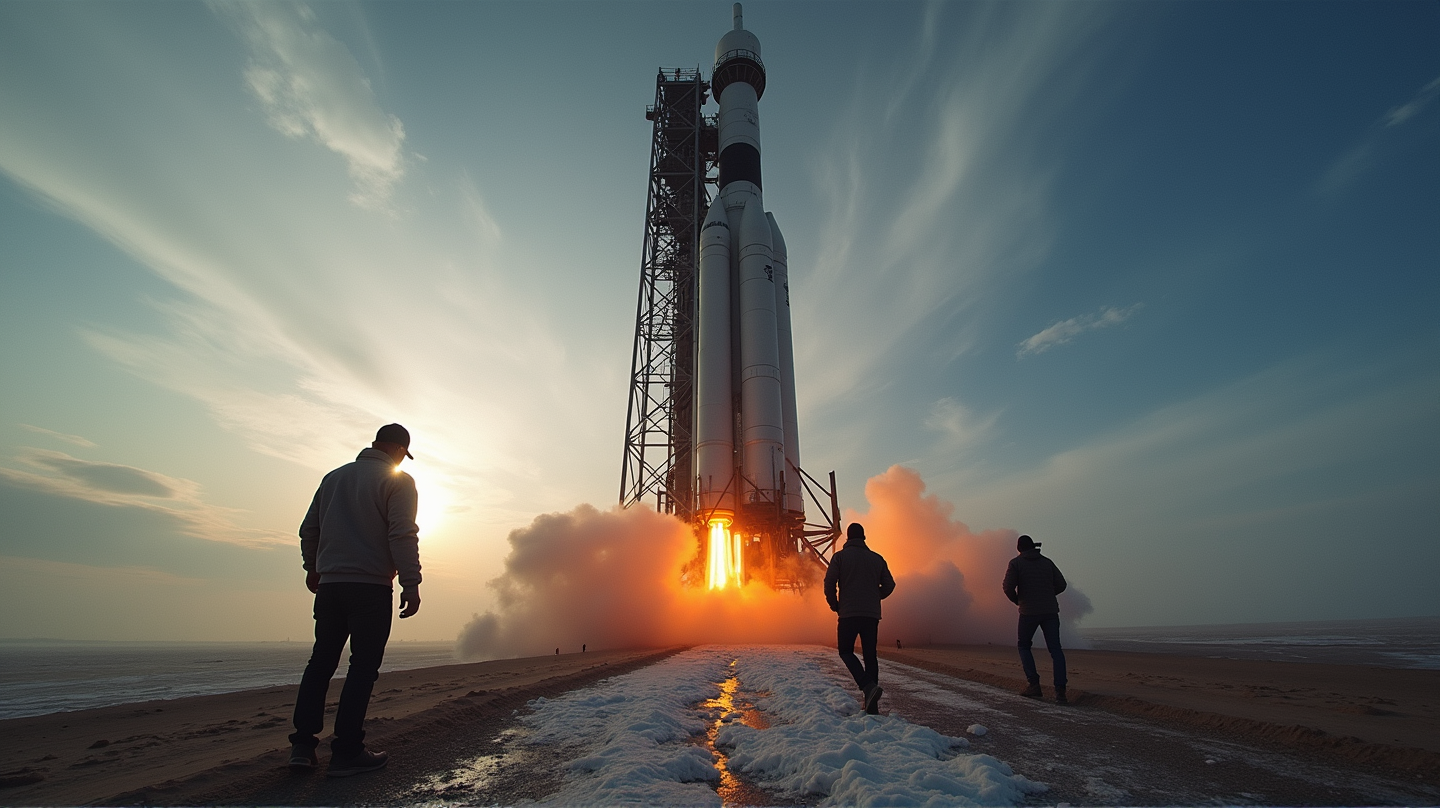
A Critical Blow to Space Collaboration
In a surprising turn of events, Russia’s Baikonur Cosmodrome in Kazakhstan suffered significant damage due to a mishap during a Soyuz launch, posing a major obstacle for ongoing space missions. This facility, crucial for launching astronauts to the International Space Station (ISS), now faces a substantial setback. The incident has reverberated through the space community, highlighting vulnerabilities in international collaborations.
An Unfolding Incident
During a recent launch, the Soyuz MS-28 crew, comprising cosmonauts Sergey Kud-Sverchkov, Sergey Mikayev, and NASA astronaut Christopher Williams, successfully reached the ISS. However, the aftermath left the launch pad heavily damaged. Drone footage captured the extent of the destruction, with critical structures like the mobile maintenance cabin lying overturned in the flame trench. Experts have warned that repairs could span months or even years, further complicating near-term mission plans.
NASA’s Response to the Crisis
NASA promptly acknowledged the incident, recognizing its potential impact on future missions. Despite escalating tensions between Moscow and Washington, the space agencies of both nations maintain a tight partnership in ISS operations. As NASA spokesperson remarked, “NASA coordinates closely with international partners, including Roscosmos, for the safe operations of the International Space Station and its crew members.” According to Futurism, such incidents test the resilience and adaptability of global space collaboration.
Roscosmos’ Assurance and the Road Ahead
Roscosmos, in an official statement, admitted to the damage but assured that “all necessary reserve elements are there to restore the launchpad.” However, the space community remains wary, especially as upcoming missions, like a Progress cargo ship resupply, face delays. Jeff Manber from Voyager Technologies raises poignant questions about Russia’s commitment to resolving these challenges and sustaining its efforts until the ISS’s planned retirement in 2028.
Potential Implications of the Incident
The misfortune has thrust the future of manned space expeditions into uncertainty, particularly given Russia’s pivotal role in launching astronauts to the station. With Russia’s historical ties and recent strained relations, countries like the US may need to explore alternative options, such as increasing reliance on SpaceX’s Crew Dragon vehicle to ensure uninterrupted ISS activities.
Space enthusiasts and experts worldwide now wait with bated breath, eager to see how international space partnerships adapt to this latest challenge in the continually evolving landscape of space exploration.