
Ecuador and Cuba Set Benchmark with UN’s Accessible Tourism Initiative
Ecuador and Cuba lead inclusive tourism, following UN's guidelines for accessibility, paving the way for broader innovation and economic growth.

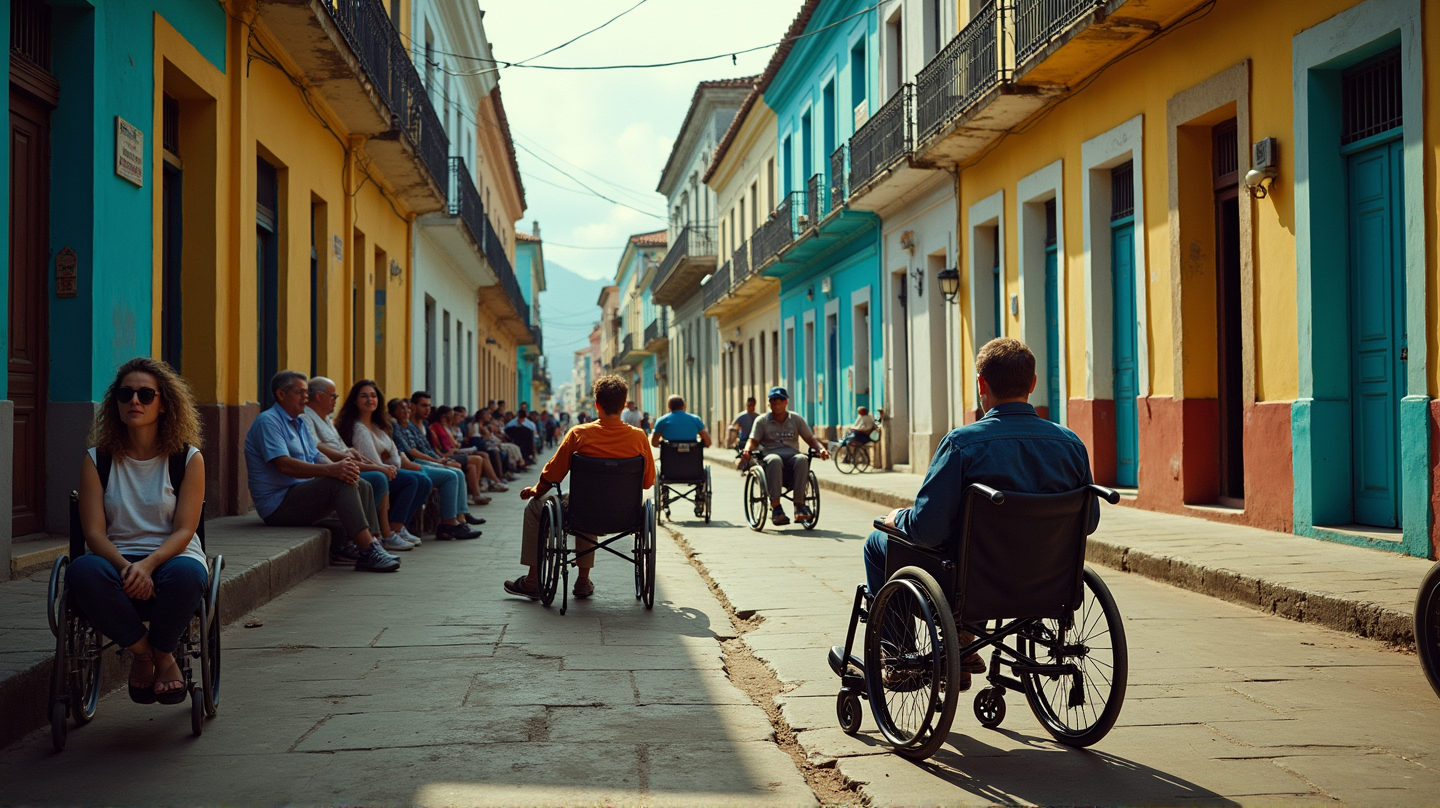
In a paradigm shift in the tourism sector, Ecuador and Cuba are making history. These nations are pioneering the journey towards inclusive tourism through the adoption of new guidelines introduced by UN Tourism in collaboration with the Agency for Business and Economic Development (AWE). Released on International Day of Persons with Disabilities, these guidelines not only put a spotlight on inclusivity but mark a new direction for economic expansion.
Breaking Barriers: The Importance of Accessibility in Tourism
For years, the global tourism industry overlooked millions of potential tourists by ignoring accessibility needs. With this groundbreaking initiative, businesses can broaden their appeal, improving their services and reach. Ecuador and Cuba’s leadership positions them as trailblazers, ensuring accessibility becomes a standard rather than an exception.
Five Steps to Inclusivity
This innovative approach centers around five actionable steps that tourism businesses can embrace:
- Market Expansion: Businesses will reach a wider customer base, welcoming people with disabilities, families, and elder tourists.
- Enhanced Reputation: Companies that focus on accessibility witness stronger customer loyalty and positive feedback.
- Affordable Solutions: Incremental changes, like installing ramps, can transform spaces without significant expense.
- Superior Service Quality: Improved facilities enhance the overall customer experience, attracting more diverse clientele.
- Community Support: Hiring practices that include people with disabilities boost the local economy and promote integration.
The Market of Possibilities
The market potential for accessible tourism is tremendous, with 1.3 billion individuals globally living with disabilities. Failing to include this segment means missing out on a lucrative opportunity. As per guidelines, reports suggest that individuals with disabilities and seniors account for up to a third of global travelers, illustrating the vast untapped potential awaiting businesses that prioritize accessibility.
Long-Lasting Economic Impact
By embedding accessibility deeply within their business models, Ecuador and Cuba are positioned to enhance their economic landscape significantly. According to Travel And Tour World, companies that invest in inclusive practices often see up to 28% higher revenue.
The Pioneering Spirit of Ecuador and Cuba
Ecuador and Cuba’s steps towards inclusivity serve as global examples of accessible, welcoming tourism. By implementing the UN’s guidelines, these countries ensure the future of their tourism industries is not only inviting but groundbreaking in its inclusivity ethos. As businesses adopt these guidelines, a ripple effect of economic growth, innovation, and positive social change can be anticipated.
In summary, Ecuador and Cuba are not merely preparing for their future; they are leading it. They are setting a standard that envisions a world where everyone, regardless of their abilities, can partake in the joy of exploration and discovery.