
Crisis at Baikonur: Soyuz Launch Pad Disaster Clouds Russia's Space Future
A catastrophic failure at Russia's main space launch pad raises urgent concerns over the future of Soyuz missions and international space cooperation.

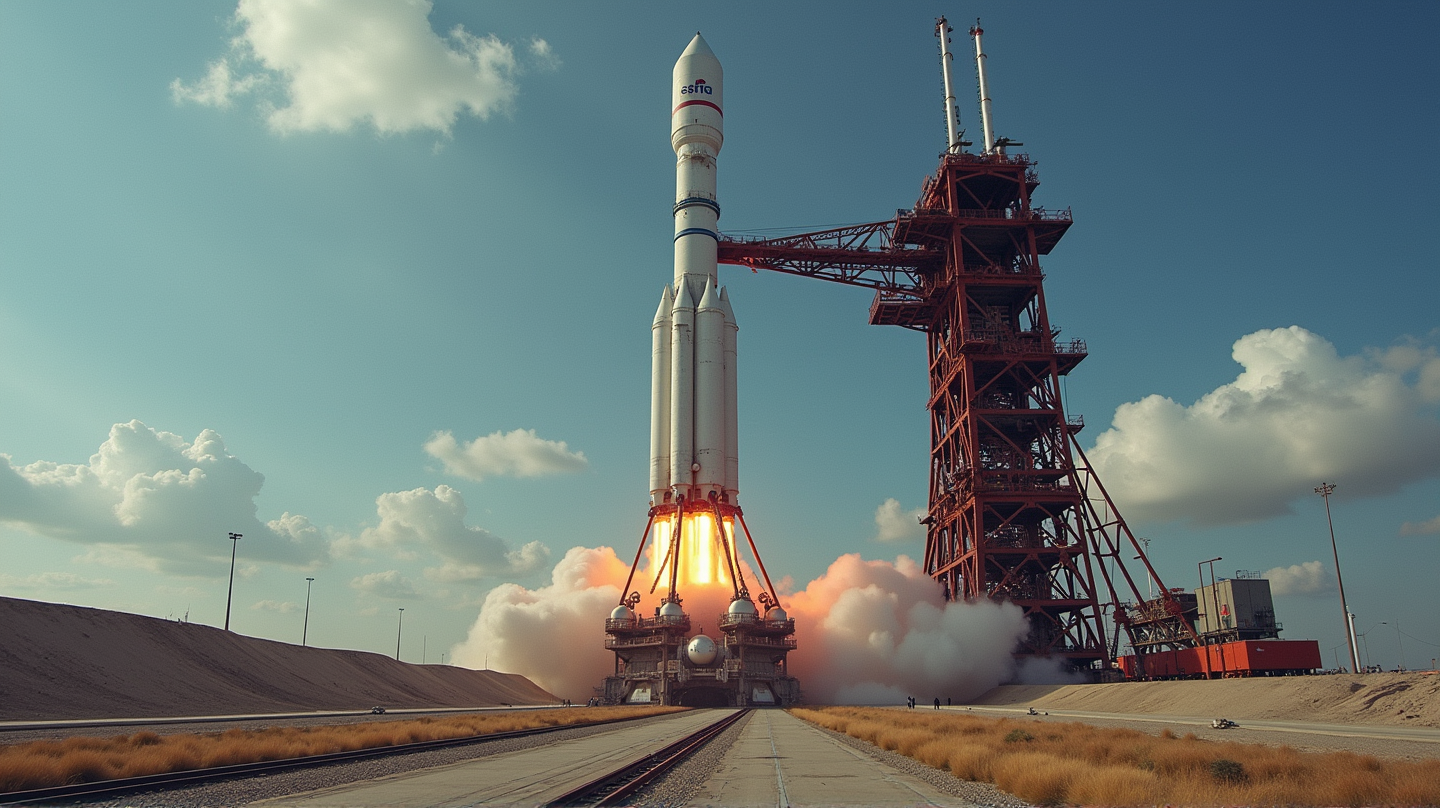
In a shocking turn of events, a catastrophic failure has left Russia’s main crew-capable space launch pad at the Baikonur Cosmodrome severely damaged. The Soyuz MS-28 rocket’s recent lift-off led to unexpected and significant structural failures, casting a shadow over the future of Russia’s crewed space missions.
Launch Triumph Overshadowed by Infrastructure Collapse
When the Soyuz MS-28 mission blasted off, carrying two Russian cosmonauts and a NASA astronaut to the International Space Station, success seemed assured with the spacecraft docking flawlessly. However, this triumph was quickly overshadowed by the grim reality on the ground. The movable service platform’s stunning collapse into the flame trench revealed the extent of the damage, as confirmed by Roscosmos and several independent reports.
Structural Damage Threatens Future of Crewed Flights
Described as severe, the damage to Site 31⁄6 has sparked an urgent conversation about the continuity of Russia’s human spaceflight operations. It’s one of the Soviet leftover infrastructure essentials for Soyuz missions after the closure of Gagarin’s Start in 2019. Without this vital launchpad, Russia faces delays and disruption in its crewed and cargo launch schedules, challenging its space mission upkeep.
Roscosmos: Swift Repairs or Prolonged Downtime?
In response to mounting concerns, Roscosmos insists on fast-tracked repairs with available spare parts, albeit without a clear timeline. This attempt to reassure, however, stands in stark contrast to independent insights suggesting that significant downtime could be inevitable, depending on the reconstruction complexities. As stated in International Business Times UK, the delicate balance between swift repair and comprehensive evaluation is now Russia’s immediate priority.
Potential Operational Impact on Astronauts and ISS
The operational implications of Site 31⁄6’s downtime reverberate across international boundaries. The ISS relies on dependable Soyuz rotations, and any prolonged delay can disrupt carefully orchestrated crew management and logistics flows.
Renewed Calls for Infrastructure Modernization
The incident spotlights recurring issues with Russia’s aging space infrastructure. Baikonur, a pillar since the Soviet era, is under renewed scrutiny, with experts pressing for urgent modernization to lessen the burdens on over-aged systems tasked with high-demand missions.
Global Eyes on Russia’s Next Move
As the world watches, the fate of this key launchpad will shape Russia’s immediate and distant space activities. With new technology beckoning at Vostochny Cosmodrome yet unready for crewed missions, Russia teeters on a delicate threshold, needing prompt, effective solutions to navigate these turbulent times. The global space community eagerly awaits Russia’s full assessment, anticipating outcomes that will reverberate through international space operations.