
Baikonur Launch Pad Collapse: A Historic Halt in Russian Crewed Space Missions
The unexpected collapse at Baikonur Cosmodrome marks a significant disruption in Russian space missions since 1961.

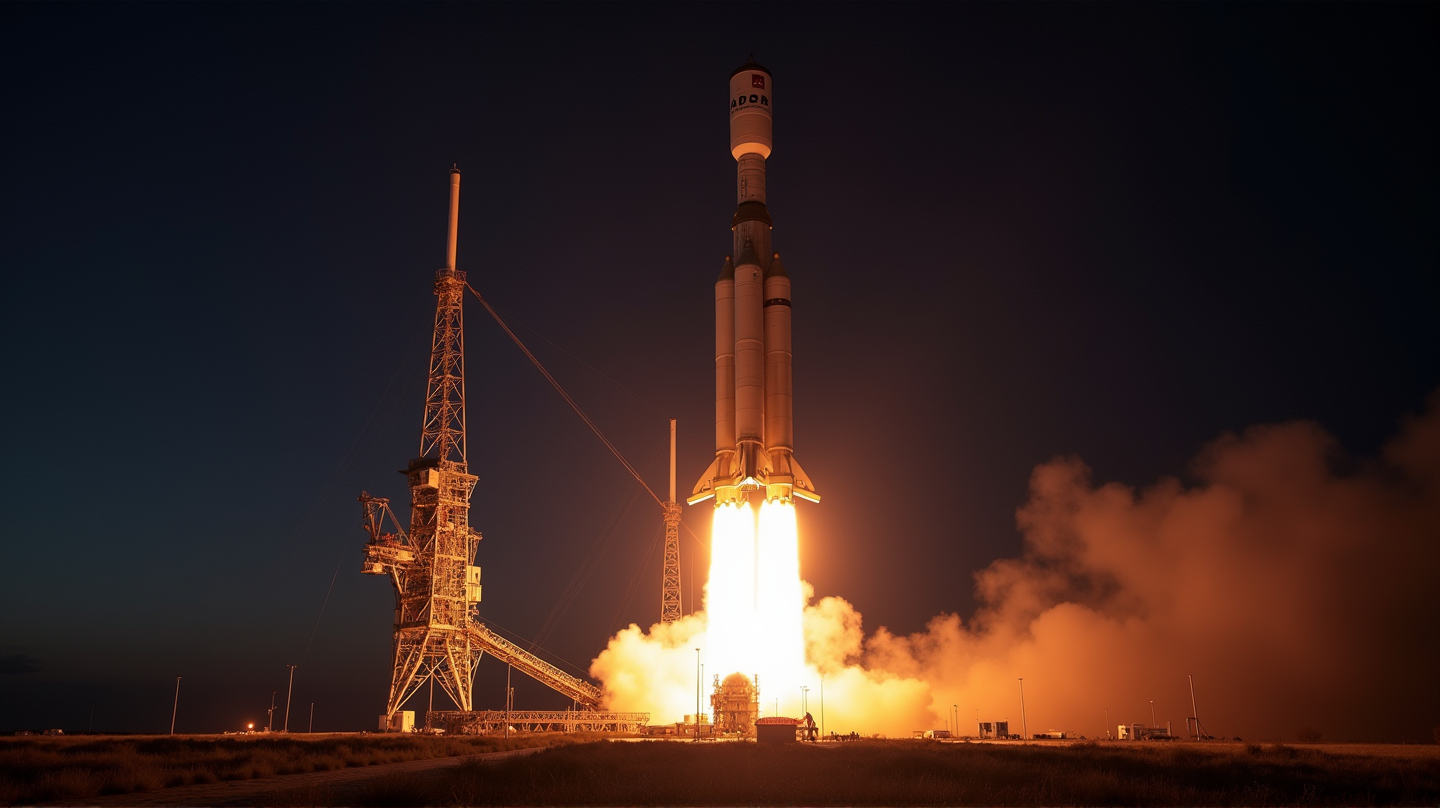
For the first time since 1961, a crucial element of Russian space exploration has struck an unexpected pause. The Baikonur Cosmodrome, a cornerstone of the Soviet and Russian space journey, has faced a calamitous incident, compelling Russia to suspend its crewed space missions.
A Significant Structural Failure
On November 27, during the launch of the Soyuz MS-28 spacecraft to the International Space Station (ISS), the servicing cabin at Baikonur’s launch pad unexpectedly collapsed. The movable structure, essential for operations on the rocket’s tail section, experienced a disastrous failure due to the rocket’s first-stage engine gas jet. This incident, as revealed by The Moscow Times citing The Insider, has caused significant damage to the launch complex, raising concerns over safety and operational continuity.
The Impact on Future Missions
Georgy Trishkin, a recognized rocket launch analyst, emphasized the importance of this service cabin, noting its pivotal role in Russian ISS missions. Fortunately, no personnel injuries were reported, yet the damage could have lingering implications. With repairs anticipated to take up to two years, the absence of this facility leaves Russia without a viable means to continue its crewed missions to the ISS—a hiatus unimaginable since the inception of these programs over six decades ago.
Possible Solutions and Setbacks
Roscosmos confidently announced that repair works have already begun using reserve parts, showing optimism amidst the crisis. However, an alternative plan—modernizing the Gagarin launch pad—flags challenges due to geopolitical setbacks. The UAE’s withdrawal from the modernization project, influenced by Russia’s military actions in Ukraine, casts shadows over this potential solution.
Geopolitical Underpinnings
This incident at Baikonur resonates beyond space exploration, threading through geopolitical tensions. Recently, the European Commission has initiated efforts to integrate Ukraine into key European space defense initiatives, intertwining satellite technology with national security imperatives. As these narratives unfold, Russia’s brief suspension from crewed space missions marks a pivot point that symbolically tightens these underlying global tensions.
Outlook and Reflection
As repair efforts forge ahead, the future of Russian crewed missions rests on a knife’s edge. This pause offers time for reflection on the resilience and strategy that underpins Russia’s long-standing presence among space-faring nations. Whether repairs or modernization ventures can swiftly restore their trajectory remains to be seen. Yet, as the clock ticks, the world’s eyes remain steadfast on Baikonur, pondering whether Russia will overcome this unprecedented challenge and reinstate its once unshakeable position among the stars.
According to UNITED24 Media, the collapse has left Russia unable to launch crewed missions, marking the first such disruption since 1961.